
An Energy Truth Shines Through

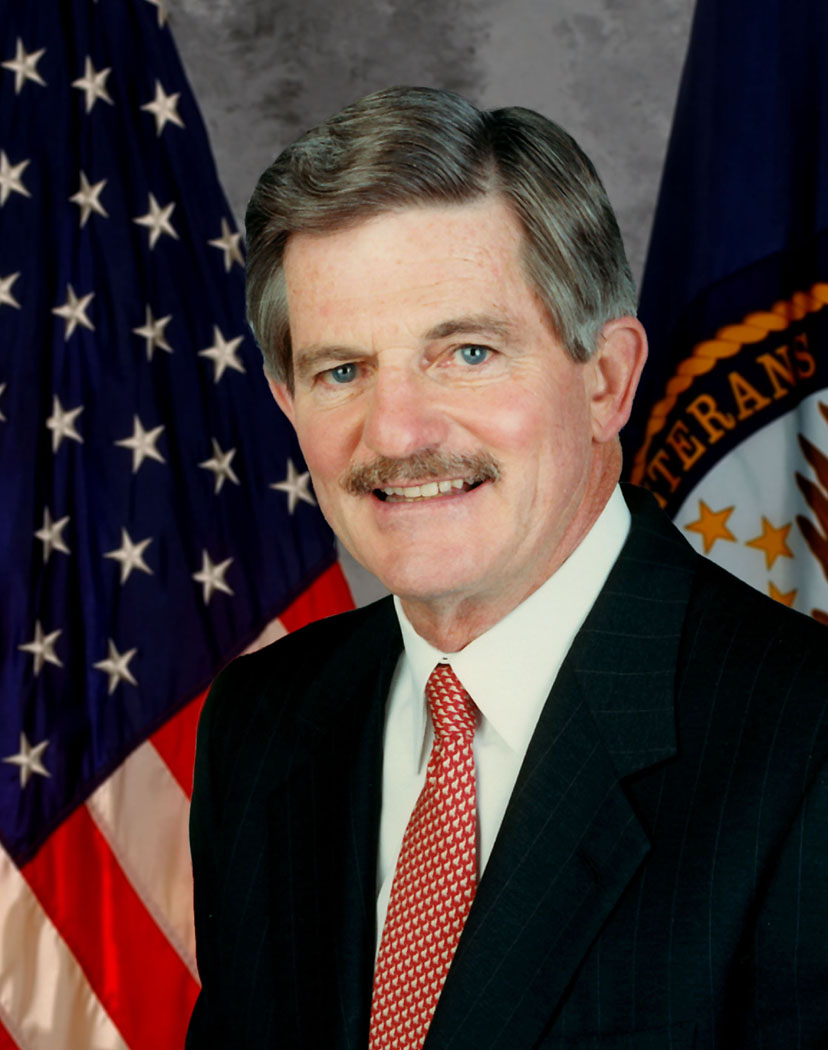
Amb. Jim Nicholson 
From Jim Nicholson, who served as U.S. Ambassador to the Holy See from 2001 to 2005:
Well, there's another thing that I hope he [Pope Francis] realizes, and that is that the best way to help the poor in this world is to help them come out of that poverty and get electricity. There are over a billion people in the world that still do not even have electricity, and fossil fuel is the hope for that electricity. It's cheap, it's readily producible, and if you can't refrigerate medicine and you can't read in the dark, and you can't grow out of that poverty and there's a real link there, and the Holy Father, I think, needs to be very careful about this green movement that he sort of seems to align himself with in this encyclical on global climate change, and I hope that he will realize that.
One may disagree with most of what Nicholson says here. But not with his main point: “the best way to help the poor in this world is to help them come out of that poverty and get electricity.” It’s such an important message – and important for the public to understand - that we’ll take it wrapped however anyone cares to wrap it. The rest will be resolved in the fullness of time.
Comments

Popular posts from this blog

Activists' Claims Distort Facts about Advanced Reactor Design

Below is from our rapid response team . Yesterday, regional anti-nuclear organizations asked federal nuclear energy regulators to launch an investigation into what it claims are “newly identified flaws” in Westinghouse’s advanced reactor design, the AP1000. During a teleconference releasing a report on the subject, participants urged the Nuclear Regulatory Commission to suspend license reviews of proposed AP1000 reactors. In its news release, even the groups making these allegations provide conflicting information on its findings. In one instance, the groups cite “dozens of corrosion holes” at reactor vessels and in another says that eight holes have been documented. In all cases, there is another containment mechanism that would provide a barrier to radiation release. Below, we examine why these claims are unwarranted and why the AP1000 design certification process should continue as designated by the NRC. Myth: In the AP1000 reactor design, the gap between the shield bu...

What Happens During a Refueling Outage?

You may have noticed over the past few weeks that a number of nuclear plants are shut down for refueling outages or are resuming operations after just returning from one. This type of routine outage usually occurs in the spring or fall when electricity demand is low so that nuclear reactors can replace about one-third of the spent fuel rods with new fuel and conduct other routine maintenance and repairs at the plant. To get a better sense of how refueling works at a nuclear energy facility, I spoke with Marcus Nichol, NEI’s senior project manager for used fuel storage and transportation, and asked him to explain the basics. Why does a nuclear plant need to replace one-third of its fuel? Nichol: The main purpose of a refueling outage is to replace older fuel that is depleted—meaning it can no longer efficiently produce energy from nuclear fission reactions—with new fuel. This “used fuel” has typically been used in the reactor for four-and-a-half to six years before it is pe...

How Much Land Does Nuclear, Wind and Solar Really Need?

Not too long ago, we reviewed a report that looked at nuclear energy (and other energy sources) as biodiversity agents. This had to do, in part, with the amount of land a facility needs to function. Nuclear energy and fossil fuel plants use relatively little, wind farms and solar arrays quite a lot of land . Based on an objective and transparent analysis of our sustainable energy choices, we have come to the evidence-based conclusion that nuclear energy is a good option for biodiversity conservation (and society in general) and that other alternatives to fossil fuels should be subjected to the same cost–benefit analyses (in terms of biodiversity and climate outcomes, as well as sociopolitical imperatives) before accepting or dismissing them. Writer Barry Brook, who collected 75 scientists to endorse his paper, is interested in land use as it impacts flora and fauna. Biodiversity concerns do not get as much play as they might – and, when they do, it annoys many when land is withdraw...