The United States and Russia have signed a civilian nuclear 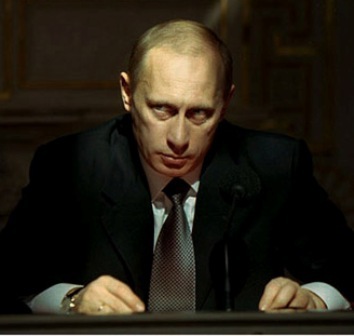 cooperation pact with far-reaching implications, including opening American markets to Russia and likewise opening Russia's uranium fields to the United States. However, Russia's tromping around the minarets of Iran looking for advantage - plus lending a hand on Iran's nuclear plant - could still scuttle the agreement as it wends its way through Congress for approval. Are chickens coming home to roost? Here's the deal:
The deal will open up the booming U.S. nuclear market and Russia's vast uranium fields to firms from both countries. Without a deal, cooperation potentially worth billions of dollars was severely limited and required official consent.
And some more details:
The deal will give the U.S. access to Russian state-of-the art nuclear technology. ... The U.S. is especially interested in developments in areas including fast-neutron reactors and recycling nuclear fuel.
Russia in turn will be able to achieve its goal of establishing an international nuclear fuel storage facility by importing and storing spent fuel. Russia cannot achieve the goal without signing the deal, since the U.S. controls the vast majority of the world's nuclear fuel.
Siberia as the new Yucca Mountain? "Russian state-of-the-art nuclear technology?" Well, we'll see - sounds a bit like a sales pitch, but the result could be very dramatic, allowing Atomenergoprom, Russia's nuclear combine, to compete here with companies like Entergy and AREVA.
But here's the rub:
But the U.S. House of Representatives is already on record as saying the United States should shun civilian nuclear cooperation with Russia because of Moscow's aid in building Iran's plant at Bushehr and supplying it with fuel. A similar bill with some 70 co-sponsors is pending in the Senate.
Which means the Senate's all in. The United States already has a similar pact with China, so this agreement isn't outlandish - it's really the politics of Iran that are weighing against it in the House, and that may die out when the sabers have been properly rattled. After all, Bush has had the pointiest sword and his is sheathed for the moment.
Two additional points. First, Russia's parliament has to pass on this as well and is likely to do so - if Russia creates a repository, however, we'll see how or if NIMBY concerns play there and how much weight our environmental concerns are given. And, second, Presidents Bush and Putin are both lame ducks - Putin is handling off power to Dmitry Medvedev Wednesday and Bush, of course, is done in January. We don't know enough about Russian politics - except that Medvedev is usually referred to as having been "hand-picked" by Putin - to comment. But waiting out Bush's last days could cause the bills in Congress to languish until a new President signs on. As they say, developing...
---
Incidentally, if the agreement works as touted, it would be a step in the direction Hilary Clinton is looking for, as her proxy said in the post noted below:
"Hillary has real concerns about nuclear power because of the issues around safety, waste disposal and proliferation," policy director Neera Tandem said.
Well, there you go. Hello, Russia!
---
PS: we know the picture of Putin above looks a little sinister, but it is a striking photo. No stray commentary intended by it - though if you're inclined to supply your own, have at it.
Comments
I say that only partly out of frustration that an issue with technical solutions is being driven by political whims.
But I am also amazed by how the world has changed in such a short time. When I visited Russia in 2003 I remember thinking, "Who would have thought 20 years ago that a bunch of young nuclear engineers from around the world would be touring the Kremlin, visitng a nuclear power plant, attending the Russian Nuclear Society meeting, and making dozens of Russian friends?" It reminds me that there is hope for our current world situation.
Lisa
-t-
Well, consult your periodic table on rates of decay and rest easy, my friend. Whether in onsite pools, ISFSIs, or an eventual geologic repository, that spent fuel isn't going anywhere for a very long time. When and if recycling is needed in the next few tens of thousands of years, it'll be around, "thrown away" or not.
I absolutely love President Bush. Anytime a leader is opposed by all the so-called "right-thinking" (er - I mean left-thinking) people, then he is the one to who's really right. But have no fear: you'll get the government you deserve. Sadly, so will I. Elect Obama or Clinton and watch what happens to the nuclear resurgence in the US. Watch who gets appointed DOE secretary. Watch what kind of people get appointed to the Commission. You'll get your democracy - two wolves and one sheep voting on what's for dinner, and only Nancy Pelosi, Ted Kennedy and their like get to eat at the table.
May God bless our President! Too bad he can't serve for another 8 years!
About Obama's energy policy, it's not so simple. Clearly the Democrats have pushed tackling climate change as one of their priorities. To me Obama looks sensible enough to solicit advice from people who must realize that nuclear has to be part of the climate change solution. Most reasonable people who think about energy and climate change have to almost inevitably see that at the very least it would be a mistake to take nuclear off the table. It's hardly a foregone conclusion that Obama will fill his administration with anti-nuclear enviro-alarmists.